
Concrete Driveway vs. Asphalt: Which Is Better for Colorado?
It’s one of the most common questions homeowners face when replacing or installing a driveway: concrete or asphalt? Both are legitimate choices — but they’re not equal for every situation, and Colorado’s climate tilts the scales in ways that aren’t obvious upfront. Here’s an honest comparison.
Upfront Cost
Asphalt wins here, and it’s not close:
- Asphalt: $3–$7/sq ft installed
- Concrete: $6–$12/sq ft installed
For a 500 sq ft driveway, that’s roughly $1,500–$3,500 for asphalt versus $3,000–$6,000 for concrete. The gap is real. But upfront cost is only part of the story.
Lifespan and Long-Term Cost
This is where concrete earns its price premium:
- Asphalt lifespan: 15–20 years with regular maintenance (sealcoating every 3–5 years)
- Concrete lifespan: 30–50 years with basic sealing and care
Over a 30-year period, you may replace an asphalt driveway once or twice. Factor in sealcoating costs every few years, and the total lifecycle cost of asphalt often approaches or exceeds concrete. In Denver and Lakewood, where property values are high and homes turn over, concrete typically adds more resale value than asphalt.
Performance in Colorado’s Climate
Temperature Extremes
Asphalt is petroleum-based, which means it softens in high heat and becomes brittle in extreme cold. Colorado summers regularly hit 90–100°F, which can cause asphalt to rut under heavy vehicles. Colorado winters can drop to -10°F or below, accelerating asphalt cracking.
Concrete handles temperature extremes better overall — it doesn’t soften in summer heat. The tradeoff is that concrete is more susceptible to spalling from freeze-thaw cycles if not properly installed (air-entrained, sealed).
Deicing Salts
Both materials take damage from chemical deicers, but in different ways. Asphalt can handle salt better in the short term, but the real enemy for asphalt is gasoline and oil drips, which degrade the petroleum binder. Concrete is more sensitive to salt-accelerated freeze-thaw damage on freshly poured surfaces but becomes less vulnerable once fully cured and properly sealed.
Snow and Ice
Dark asphalt absorbs solar heat and melts snow faster, which is a genuine advantage in Colorado winters. Concrete is lighter in color and less heat-absorbing. Functionally, snow removal is easy on both — though concrete’s lighter color makes fresh snowfall more visible, which some drivers prefer for safety.
Aesthetics and Value
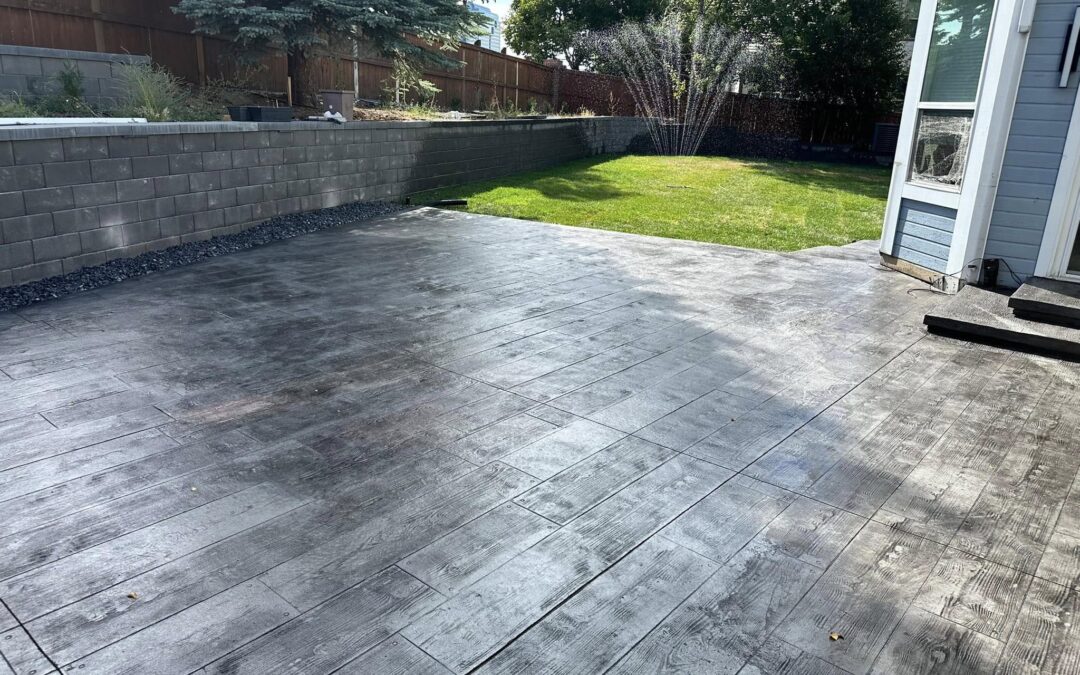
Concrete offers more aesthetic versatility — you can stamp it, color it, or finish it in multiple ways. Asphalt is asphalt: black and utilitarian. In neighborhoods like Englewood and Littleton, concrete driveways typically photograph better in listings and are perceived as a premium feature by buyers.
Which Should You Choose?
Choose asphalt if: budget is tight, you want lower upfront cost, you’re okay with ongoing maintenance, and you plan to sell within 10 years.
Choose concrete if: you want a 30–40 year solution, you value aesthetics and property value, and you’re willing to invest more upfront for lower lifetime cost.
For most Colorado homeowners who plan to stay in their home long-term, concrete is the better value. The upfront premium pays off within 15–20 years through lower maintenance costs and longer lifespan.
Ready for a free quote? Contact JXB Concrete — serving Denver, Lakewood, Englewood, Littleton, and communities across Colorado’s Front Range.