
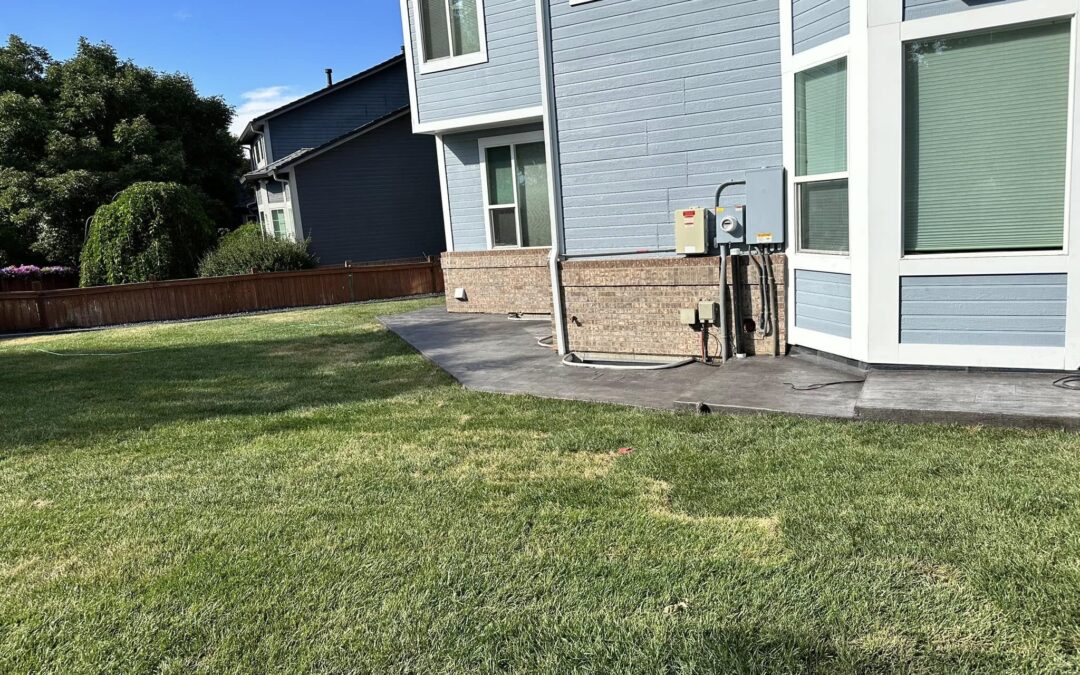
Colored Concrete: A Colorado Homeowner’s Guide
Plain gray concrete is functional, but it’s not your only option. Colored concrete can transform a driveway, patio, or walkway into something that actually looks like it belongs with your home — matching your exterior palette, complementing your landscaping, or just adding a little personality.
If you’re considering colored concrete for a project in Colorado, here’s what you need to know before you commit.
The Three Main Options for Colored Concrete
1. Integral Color
Integral color is mixed directly into the concrete before it’s poured. The pigment goes all the way through the slab, which means chips and surface wear don’t reveal plain gray underneath. This is the most durable coloring method and the most popular choice for Colorado homeowners who want color that lasts.
Colors tend to be earthy and natural — terracottas, tans, warm grays, slate blues, and ochres. These tones work well with Colorado’s landscape and the stone and stucco exterior styles common across the Front Range.
One thing to keep in mind: integral color looks darker when wet and will lighten somewhat as the concrete cures. Your contractor should show you sample boards and be clear about what the finished color will look like once fully dried and sealed.
2. Acid Stains
Acid staining reacts chemically with the concrete surface to create rich, mottled tones that look almost like natural stone or marble. No two stained slabs look exactly the same, which is part of the appeal.
Acid stains are typically used on existing concrete — patios, garage floors, interior slabs. They penetrate the surface rather than sitting on top of it, so they won’t peel or chip. However, they do require sealing and occasional re-sealing, especially outdoors in a climate like Colorado’s where UV exposure and temperature swings are significant.
3. Water-Based Stains and Dyes
Water-based stains and dyes offer a wider color range than acid stains — including more vivid blues, greens, and reds that acid stains can’t achieve. They’re UV-sensitive, though, so outdoor applications in Colorado’s high-altitude sun will fade faster than indoor projects. For covered patios or interior floors, they’re a great option.
What Holds Up Best in Colorado’s Climate
Colorado puts concrete through the wringer. High UV index, dramatic temperature swings, freeze-thaw cycles, and de-icing salt (especially in the mountains and northern Front Range cities) all work against surface coatings and color treatments.
For outdoor applications, integral color is the most durable choice by far. Surface-applied treatments — stains, dyes, and painted finishes — need proper sealing and more maintenance to hold up. If you go this route, budget for resealing every 2–3 years.
Use a penetrating sealer with UV protection for any colored outdoor concrete in Colorado. Film-forming sealers can look good initially but tend to peel as the concrete expands and contracts with temperature changes.
Stamped + Colored: A Popular Combo
Many homeowners pair integral color with stamped textures to mimic slate, flagstone, or brick. The combination looks high-end and adds real curb appeal. In areas like Boulder and Fort Collins, where outdoor living spaces are a priority, stamped and colored patios are one of the most requested concrete upgrades we do.
Stamped concrete does require more maintenance than plain concrete — resealing every 2–3 years keeps it looking fresh and protects the color. But the visual payoff is substantial.
Color Matching and Planning Tips
- Start with your house exterior. Pull your siding or stone color and work from there. Warm-toned homes look great with terracotta, tan, or buff. Cool-toned homes pair well with slate gray or blue-gray tones.
- Look at samples in natural light. Color charts in a showroom look different than a cured slab in your backyard.
- Batch consistency matters. If your project requires multiple pours, make sure the contractor is using the same pigment batch or color will vary.
JXB Concrete offers integral color, stamped finishes, and stain options for projects across Colorado, including Loveland and Windsor. We’ll walk you through color options and show you real samples before any concrete is poured.
Ready for a free quote? Contact JXB Concrete — serving Boulder, Fort Collins, Loveland, Windsor, and communities across northern Colorado.